Discover the Beauty and Benefits of Citrine
Citrine is the stone of vigor and wealth. The bright yellow of this stone truly...

By admin
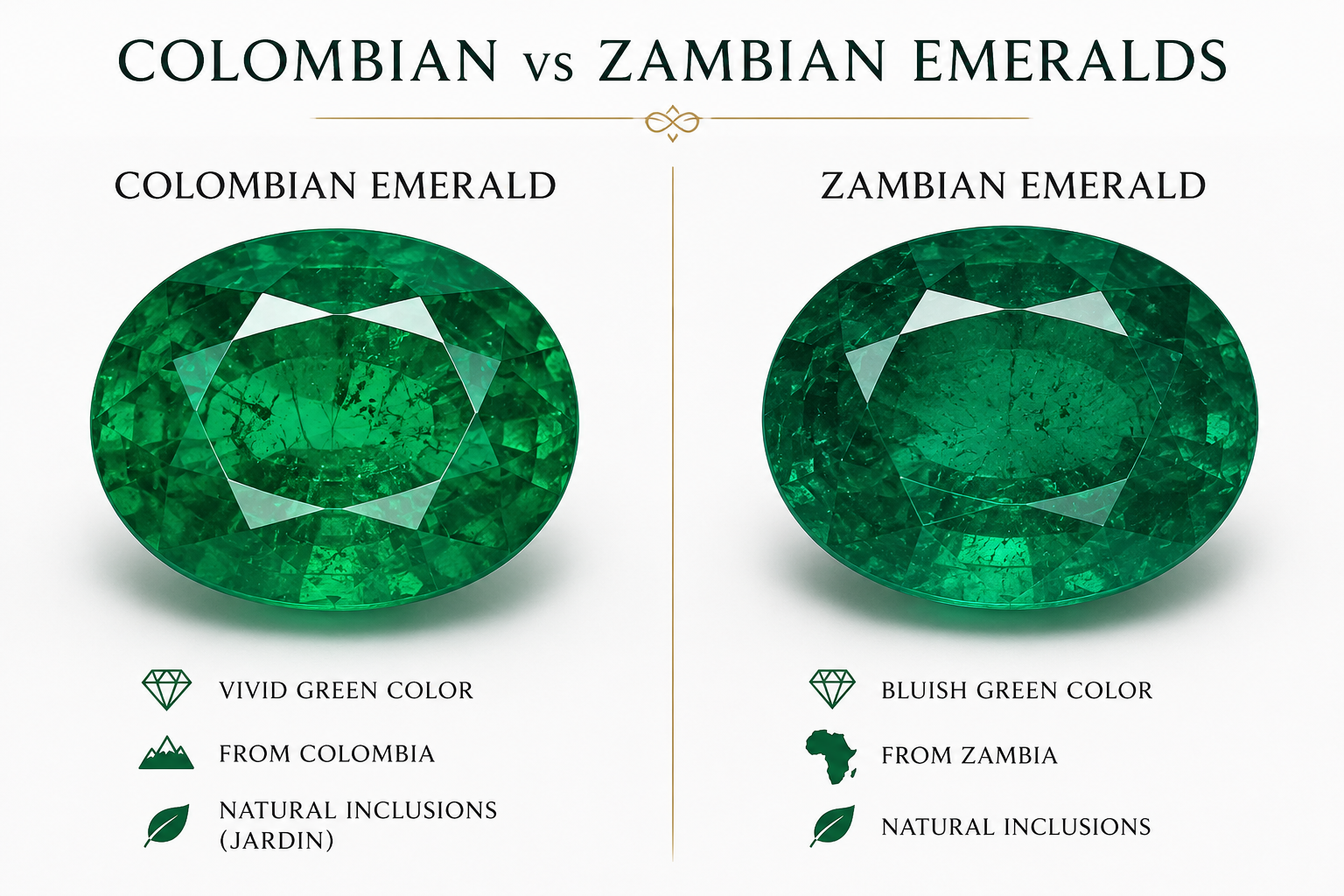
Two names dominate any conversation about where the best emerald comes from, Colombia and Zambia. Both turn out genuinely fine stones, but they aren't interchangeable. Colours are different, Clarities are different. Toughness, price, pretty much everything shifts depending on which country the stone came from. Good to know before buying one, jewellery or astrological wear either way.
Colombia's emerald comes mainly out of three regions, Muzo, Chivor, and Coscuez. These places were mining emerald long before Colombia became the name everyone in the trade measures against. Zambia is the newer player. Its output is centered around the Kagem mine in Copperbelt Province, which happens to be one of the biggest single emerald mines anywhere. Zambia entered later, but its production has grown steadily for decades and by now genuinely competes with Colombia on both volume and quality.
Here's the real split between them. Colombian stones usually run a pure, slightly warm green, people in the trade call it grassy, and that's because the crystal has comparatively low iron. Zambian stones tend to run cooler, with more of a blue undertone, since they carry more iron. Neither is really better. It's mostly a taste thing, though pure green Colombian material has always carried a price premium simply because of how rare and storied it is.
Both places produce stones with natural inclusions, the trade calls this jardin, French for garden, because of how the internal patterns look under magnification. Colombian material gets oiled more often and more heavily to clean up its clarity. It's an accepted practice, nothing shady about it, but buyers should still ask. Zambian stones usually start with fewer inclusions and don't need as much oiling, and some buyers actually prefer that since the stone stays closer to how it came out of the ground.
Zambia wins this one clearly. More iron content means Zambian stones hold up better against chipping compared to Colombian ones, which matters if you're planning to wear the piece every day, a ring especially.
The best Colombian material, pure green and high clarity, still commands the top prices in the emerald market. That comes down to reputation plus how limited the really good grade is. Zambia gives you strong quality minus that premium. That's basically why buyers who want something genuine, without paying extra just for the name, end up choosing Zambian stones.
Origin really doesn't matter as much as people think here, authenticity does. Natural, untreated or barely treated, free of any serious internal damage, that's what actually matters for the Emerald Gemstone (Panna Stone). Those factors are believed to affect how well it channels Mercury's energy. Both origins work fine, as long as the stone's certified natural and meets the clarity level needed for gemstone therapy. A fair number of astrologers actually lean toward Zambian stones now, simply because they're less likely to be over treated. Easier to find one that's genuinely clean.
Go Colombian if the pure green colour and the old established name matter most to you. Go Zambian if you'd rather have solid colour, better toughness, and real value without paying extra for reputation alone. Either way, the certificate matters more than the country stamped on it. Authenticity is really what decides how the stone looks, and how well it's believed to work astrologically.
So, which is better for astrology, Colombian or Zambian emerald?
Neither has a built-in advantage, honestly. What actually matters is whether the stone is natural and reasonably clean. A properly certified Zambian stone does the job just as well as a Colombian one, where it came from isn't the deciding factor.
How can you tell a Colombian emerald from a Zambian one just by looking?
Mostly by colour. Colombian tends to run purer and warmer, Zambian tends to run a shade cooler with that bluish edge from the extra iron. Lighting and cut can throw this off though, so if you actually need to know for sure, get a lab certificate rather than guessing by eye.
Is Zambian emerald a lower quality alternative to Colombian?
Not really, that's an old assumption more than anything based in fact. Zambian stones are usually harder, oiled less on average, and often cheaper for similar clarity. A genuinely strong option, not some lesser substitute.
We have served more than 700 customers
Citrine is the stone of vigor and wealth. The bright yellow of this stone truly...
Silver jewelry is a classic beauty that one can never get over. Be it any partic...
For Etsy sellers and DIY jewelry makers, choosing the right gemstone beads is...
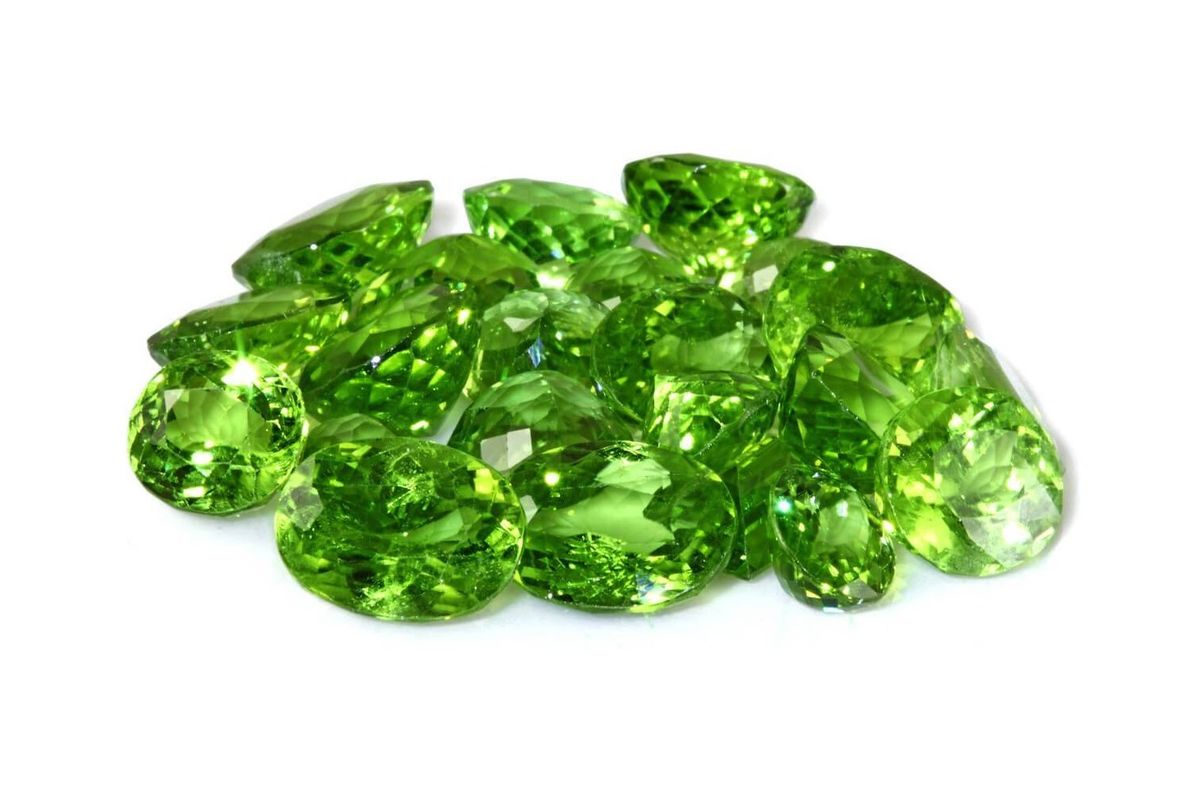
Peridot is the official birthstone for August — a 100% natural, olive-to...
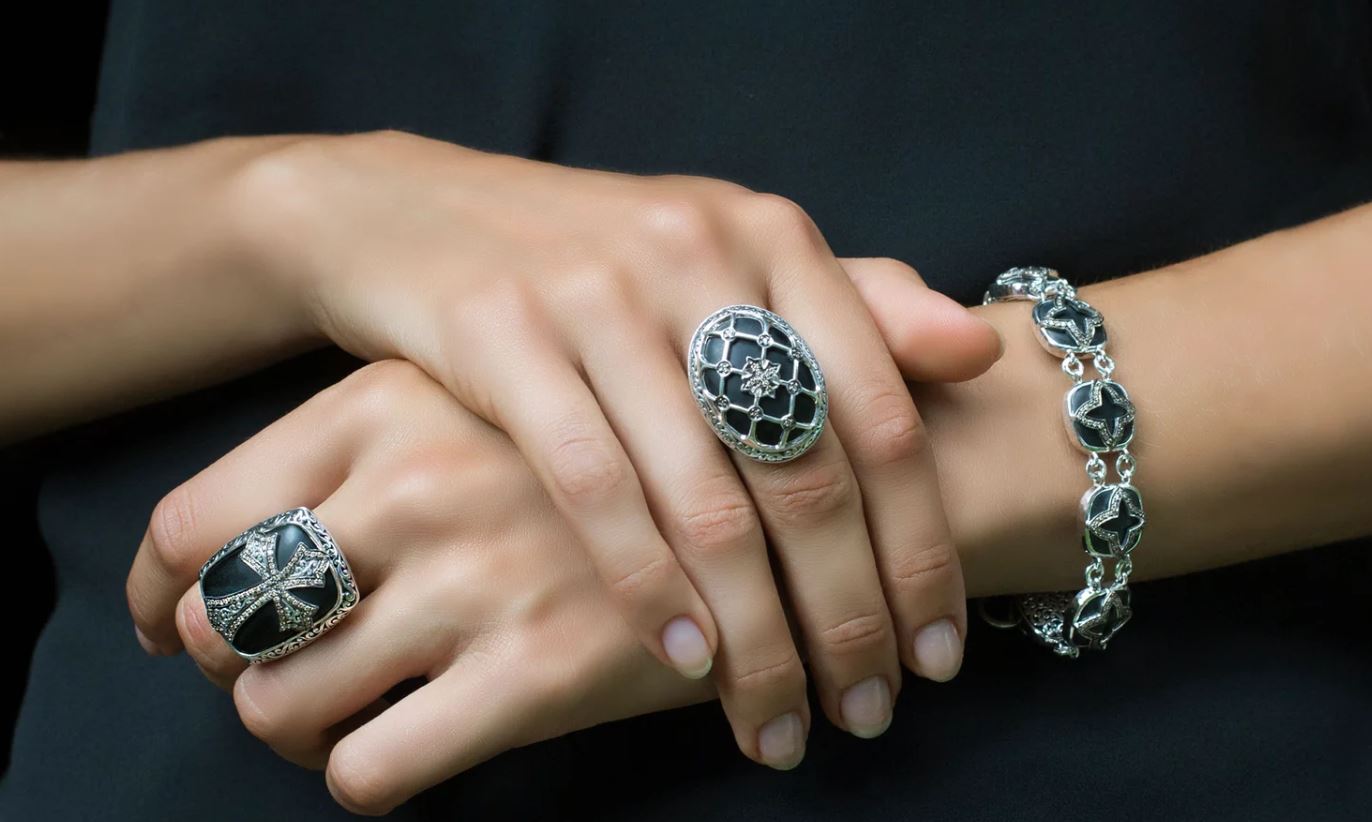
Onyx is one of the few gemstones that stands as a bold and fearless luxury. The...
Two names dominate any conversation about where the best emerald comes from, Col...

The enthralling beauty of Tourmalines is no less than a wonder. It is acclaimed...
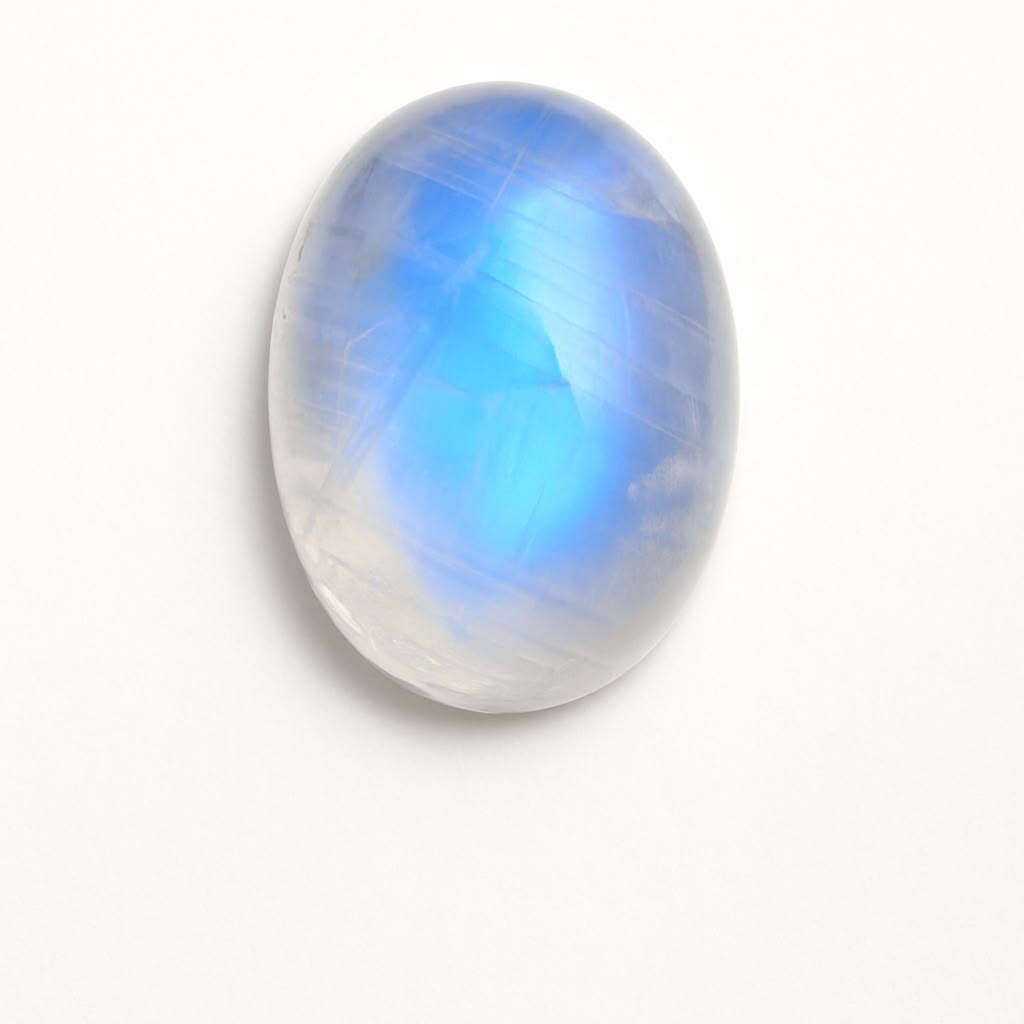
I recall the first time I was given a moonstone and instructed to put it under t...
Discover our handcrafted silver treasures and add something beautiful.
Explore Collections