How to Choose the Right Wholesale Fashion Jewelry Supplier?
Introduction Choosing a jewelry supplier looks easy until you actually start...

By admin | 30th June 2026
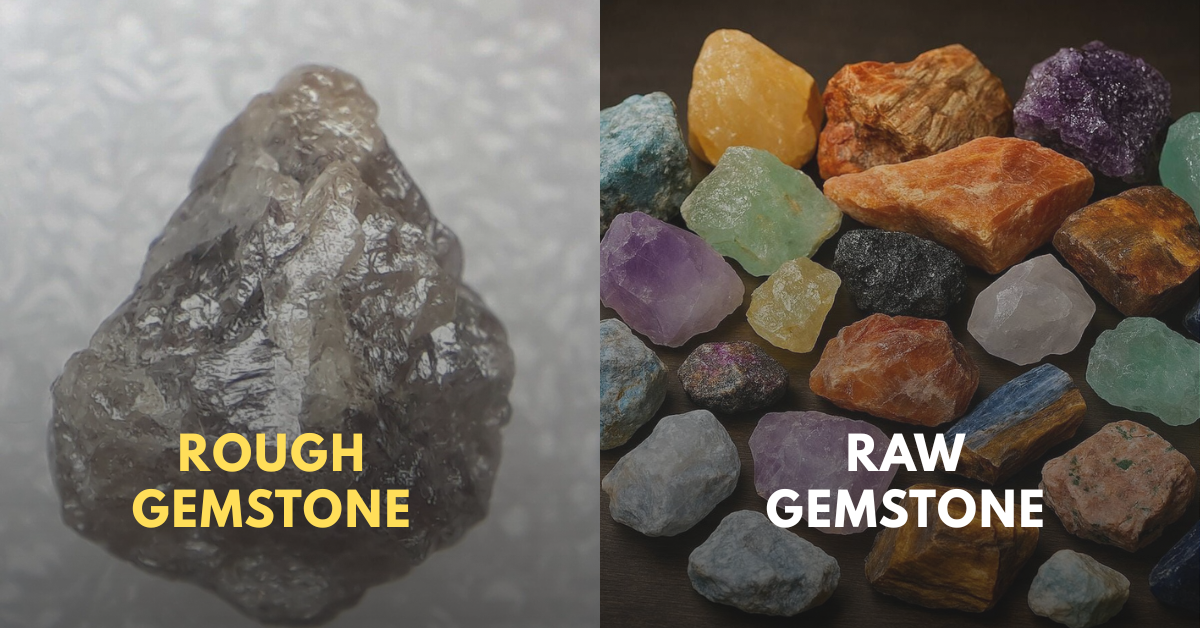
"Raw" and "rough" gemstone mean essentially the same thing in everyday use — both describe a natural gemstone in its unprocessed, uncut, unpolished state, exactly as it was mined from the earth. In casual and metaphysical contexts, "raw" and "rough" are used interchangeably. However, in the professional gemstone trade, "rough" is the precise technical term, while "raw" is the more common consumer-facing word. This complete 2026 guide explains the real meaning behind both terms, their uses in jewelry, crystal healing, and lapidary art, how to identify authentic rough gemstones, and where to buy genuine raw gemstones online.
A rough gemstone is a natural mineral crystal in its original, unprocessed state — exactly as it was extracted from the earth, before any cutting, faceting, or polishing has taken place. Rough gemstones display the raw geological features formed over millions of years deep underground: natural crystal faces, color zoning, surface texture, and sometimes the host rock matrix the crystal grew within.
In the professional gemstone and lapidary trade, "rough" is the precise technical term used by gem dealers, cutters, and miners worldwide. When a gem cutter buys "rough" at a mine or gem show, they are buying uncut material with the potential to become a finished, faceted gemstone.
A raw gemstone refers to a gemstone in its natural, unaltered state — the same uncut, unpolished condition as a rough gemstone. The word "raw" is the more common, consumer-friendly term used in jewelry retail, crystal healing, and everyday conversation. Think of it the way "raw meat" describes meat that hasn't been cooked — "raw gemstone" simply describes a stone that hasn't been cut or processed yet.
Both words point to the same physical object. The distinction is really about audience and context, not about a different type of stone.
Yes — for 95% of buyers, "raw" and "rough" gemstone mean exactly the same thing. Both describe a natural, uncut, unpolished mineral specimen. The only real difference is which industry is using the word and in what context:
"Raw Gemstone" — Common Usage
"Rough Gemstone" — Trade/Technical Usage
The Real Distinction: "Rough" is the precise, professional term — it strictly means uncut. "Raw" is broader and more casual; it is sometimes (technically incorrectly) also used to describe gemstones that have been minimally tumbled or shaped but still maintain a natural, unfaceted look. For 99% of everyday buying decisions, treat the two terms as synonyms.
There is one related term that genuinely does mean something different: "untreated." An untreated gemstone may actually be cut and polished — but has not undergone additional enhancement processes like heating, irradiation, oiling, or dyeing. So a gemstone can be both cut AND untreated at the same time. Only about 2% of gemstones sold worldwide are completely natural color, gem-quality, and untreated — making true untreated stones genuinely rare and valuable.
| Term | Cut/Polished? | Treated? | Meaning |
|---|---|---|---|
| Rough / Raw | No — uncut | Usually untreated | Natural state, straight from the earth |
| Untreated | May be cut | No | No heat/dye/irradiation enhancement applied |
| Treated | May be cut or rough | Yes | Color or clarity enhanced artificially |
| Tumbled | Smoothed, not faceted | Usually untreated | Rough stone polished smooth in a tumbler |
| Faceted / Cut | Yes — fully cut | May or may not be | Professionally cut into a finished gem |
Within the lapidary and gem-cutting world, rough gemstones are further classified by their intended purpose. Understanding these categories helps you buy the right rough stone for your specific project:
| Type | Description | Quality Needed | Best For |
|---|---|---|---|
| Facet Rough | Gem-quality, transparent rough free of cracks and major inclusions | Highest — eye-clean, good color | Faceting into sparkling cut gemstones |
| Lapidary / Cabochon Rough | Rough used for cabochons, carving, and beads; can have inclusions | Medium — character valued over perfection | Cabochons, beads, carvings, tumbling |
| Specimen / Display Rough | Natural crystal specimens kept in their original mineral form | Varies — natural beauty prioritized | Mineral collections, home décor, display |
| Healing / Metaphysical Rough | Natural rough chosen for energy properties rather than gem quality | Low to medium — natural origin matters most | Crystal healing, meditation, energy work |
| Tumbling Rough | Lower-grade rough material suitable for rock tumbling | Low — minor flaws acceptable | Tumbled stones, jewelry filler, craft projects |
Facet-grade rough is the highest quality category — it must be transparent, free of significant cracks, and have minimal visible inclusions to produce a sparkling finished gem after cutting. Cutters use a critical concept called yield — the percentage of original rough weight that survives the cutting process. Most faceting projects yield only 20–30%, meaning a 10-carat rough stone typically produces just a 2–3 carat finished gem. This is why facet-grade rough commands significantly higher prices than lapidary or specimen-grade rough of the same stone type.
Raw and rough gemstones serve a remarkably wide range of purposes — from professional gem cutting to spiritual practice to home décor. Here are the primary uses in 2026:
Professional and hobbyist gem cutters purchase facet-grade rough to cut, shape, and polish into finished gemstones for fine jewelry. This is a skilled craft requiring specialized equipment — faceting machines, diamond laps, and polishing compounds — and deep knowledge of each stone's hardness, cleavage, and optical properties.
In recent years, demand for unprocessed, natural-looking jewelry has grown significantly. Rather than cutting the stone, jewelers set the raw crystal directly into rings, pendants, and earrings using wire-wrapping, prong, or bezel settings — letting the stone's natural form take center stage. This minimalist, organic aesthetic is especially popular in bohemian and artisan jewelry styles.
In crystal healing traditions, many practitioners believe raw, unpolished stones carry the most direct and unaltered "earth energy" — since cutting and polishing is believed by some to disrupt a stone's natural vibrational pattern. Raw gemstones are commonly used for meditation, placed on the body during energy work, used to create gemstone-infused water, or arranged in crystal grids for Feng Shui and Reiki practices.
Serious mineral and crystal collectors specifically seek out rough, uncut specimens — sometimes still embedded in their original host rock matrix. For collectors, an unaltered crystal showing its natural geometric form is often more valuable and interesting than a cut gemstone, as it tells the authentic story of how the mineral formed.
Large rough crystal clusters and chunks — particularly amethyst, quartz, and citrine — have become extremely popular home décor statement pieces, used as centerpieces, bookends, or shelf accents in contemporary interior design.
1. Raw Amethyst
Purple quartz crystal, often found in clusters. Calming, intuition-enhancing energy. Affordable and widely available — ideal first purchase for beginners.
2. Rough Citrine
Golden-yellow quartz. Associated with abundance and creativity. Naturally rare; much commercial "citrine" is actually heat-treated amethyst — ask for natural rough.
3. Raw Rose Quartz
Soft pink stone of love and emotional healing. Commonly found in large chunks, perfect for jewelry or display pieces.
4. Rough Clear Quartz
Transparent, versatile "master healer" crystal. Often found as natural terminated points. Excellent for beginners exploring crystal collecting.
5. Raw Black Tourmaline
Naturally striated black crystal. Popular protective stone, especially valued in raw form for grounding and EMF protection practices.
6. Rough Labradorite
Grey stone with dramatic flash (labradorescence) visible even in rough form. Stunning natural specimens for collectors and jewelry makers.
7. Raw Garnet Crystals
Deep red dodecahedral crystals, often found embedded in host rock (matrix). January birthstone; popular with mineral collectors.
8. Rough Pyrite ("Fool's Gold")
Metallic golden cubic crystals. Associated with prosperity and abundance. Naturally forms striking geometric cube shapes.
9. Raw Selenite
White, translucent, fibrous crystal. Believed to cleanse and charge other crystals. Soft (Mohs 2) — handle gently.
10. Rough Sapphire / Ruby (Facet Grade)
For serious lapidary cutters — corundum rough is among the most popular facet rough due to exceptional hardness (Mohs 9) and value potential.
Shop authentic raw and rough gemstones — sourced directly from Jaipur mines. Healing crystals, lapidary rough, and specimen pieces. Ships worldwide.
Browse Raw Gemstone Collection →
| Factor | Raw / Rough Gemstone | Polished / Cut Gemstone |
|---|---|---|
| Appearance | Natural, organic, unique edges and texture | Smooth, sparkling, uniform finish |
| Price | Generally lower — no cutting labor cost | Higher — cutting and polishing add significant value |
| Durability | More fragile; prone to chipping at sharp edges | More durable; edges smoothed, less prone to damage |
| Jewelry Comfort | Can feel rougher against skin in rings/bracelets | Smooth and comfortable for everyday wear |
| Uniqueness | Every piece is one-of-a-kind, no two alike | More uniform; cut to standard shapes |
| Metaphysical Belief | Believed by some to carry purer, unaltered "earth energy" | Energy considered refined/focused by cutting |
| Best For | Boho jewelry, healing practice, collecting, décor | Fine jewelry, engagement rings, investment pieces |
Bottom Line: Choose raw/rough gemstones if you want an authentic, natural, budget-friendly piece with one-of-a-kind character — ideal for healing practice, boho jewelry, and collecting. Choose polished/cut gemstones if you want maximum sparkle, durability for daily wear, and a more traditional, refined look.
With growing global demand from crystal collectors, lapidary artists, and jewelry makers, knowing where to buy authentic, ethically sourced rough gemstones is essential. Here is what to look for in a trustworthy supplier:
Explore genuine raw and rough gemstones — for healing, collecting, lapidary cutting, and jewelry making. Sourced directly from Jaipur. Ships worldwide.
Shop Raw & Rough Gemstones Now →
Is there a difference between raw and rough gemstones?
For practical purposes, no — "raw" and "rough" gemstone refer to the same thing: a natural, uncut, unpolished mineral crystal in its original state. "Rough" is the precise technical term used in the professional gem trade and lapidary industry, while "raw" is the more common term used by consumers, jewelry retailers, and crystal healing practitioners. Both describe a stone that hasn't been cut or faceted.
What does rough gemstone mean?
A rough gemstone is a natural mineral crystal in its unprocessed state, exactly as it was mined from the earth — before any cutting, faceting, or polishing. Rough gemstones display natural crystal faces, color zoning, and surface texture formed over millions of years underground.
Are raw gemstones real gemstones?
Yes. Raw gemstones are 100% genuine, natural minerals — they are simply in their uncut, unpolished state. A raw gemstone is just as authentic and natural as a cut and polished gemstone of the same material; the only difference is that it has not undergone the cutting and faceting process.
Why are rough gemstones cheaper than cut gemstones?
Rough gemstones are less expensive because they have not gone through the labor-intensive cutting and polishing process, which requires skilled craftsmanship, specialized equipment, and significant time. Additionally, most faceting projects lose 70–80% of the original rough weight during cutting, so the labor and material loss involved in creating a finished gem adds substantial value and cost.
Can you wear raw gemstones in jewelry?
Yes, raw gemstones can be worn in jewelry — typically set using wire-wrapping, prong settings, or bezel settings that hold the natural stone shape securely. Raw gemstone jewelry has become especially popular for its organic, bohemian aesthetic. However, raw stones are generally more fragile than cut stones, so pendants and earrings (with less impact exposure) are usually better choices than rings worn daily.
Do raw gemstones have stronger healing energy than polished ones?
In crystal healing traditions, some practitioners believe raw, unpolished stones carry more direct and unaltered "earth energy," as cutting and polishing is thought by some to disperse a stone's natural vibrational pattern. This is a metaphysical belief, not a scientifically proven claim. Many practitioners use both raw and polished/tumbled stones effectively in their practice.
What is the difference between facet rough and lapidary rough?
Facet rough is gem-quality, transparent rough material free of major cracks and inclusions, suitable for cutting into sparkling faceted gemstones. Lapidary (cabochon) rough is used for cabochons, beads, and carvings, and can contain natural inclusions or cracks — these flaws are often considered part of the stone's character rather than a defect.
How do I know if a rough gemstone is natural and not fake?
Look for natural color zoning and variation (suspiciously uniform color may indicate dye treatment), a matte natural crystal surface (a glossy coating may suggest resin treatment), and ask your supplier directly about origin and treatment status. Reputable dealers can tell you the mine or region the rough came from. Avoid sellers who are vague or evasive about sourcing.
Where can I buy genuine raw gemstones online?
The most reliable sources for genuine raw gemstones are suppliers who source directly from origin mines and clearly disclose grading and treatment status. Jaipur, India is one of the world's largest gemstone trading hubs. GR Silver Designs International sources rough material directly from mines and ships raw and rough gemstones worldwide, including to the USA, UK, Germany, and Australia.
Whether you call it "raw" or "rough," a gemstone in its natural, uncut state carries a unique kind of beauty — one shaped entirely by geological forces over millions of years, untouched by human hands. For beginners just discovering crystals, lapidary artists seeking facet-grade material, collectors building a mineral specimen collection, or metaphysical buyers seeking authentic earth energy — understanding what you are actually buying is the first step toward making confident, informed purchases.
The terminology may vary slightly between industries, but the essence remains the same: rough and raw gemstones represent gemstones at their most authentic — exactly as nature created them.
At GR Silver Designs International, we source genuine raw and rough gemstones directly from origin mines, with clear grading and full transparency on treatment status. Based in Jaipur — India's historic gemstone capital — we supply facet-grade, lapidary-grade, specimen-grade, and healing-grade rough material to collectors, artists, and jewelry makers worldwide.
Explore More at GR Silver Designs
Need guidance or a personal consultation? Share your query with our team and we will get back to you with the right advice and support.
Contact Us
Introduction Choosing a jewelry supplier looks easy until you actually start...

Quick Answer To buy safely from a wholesale 925 sterling silver jewellery man...
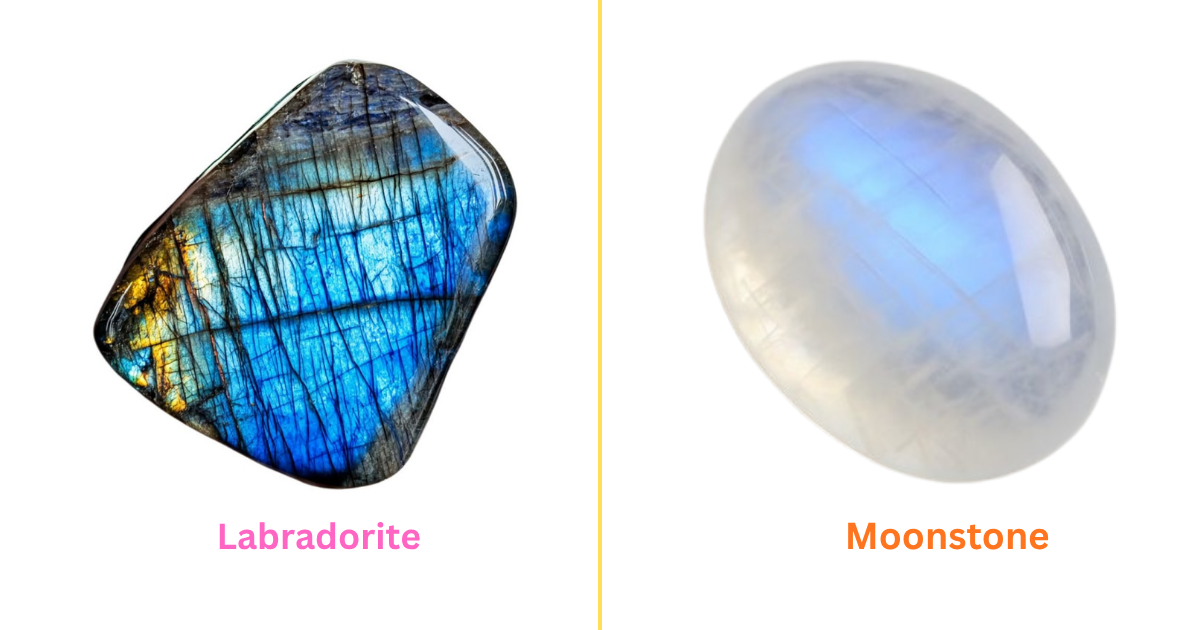
Same family, wildly different personality - that's the short answer to moons...
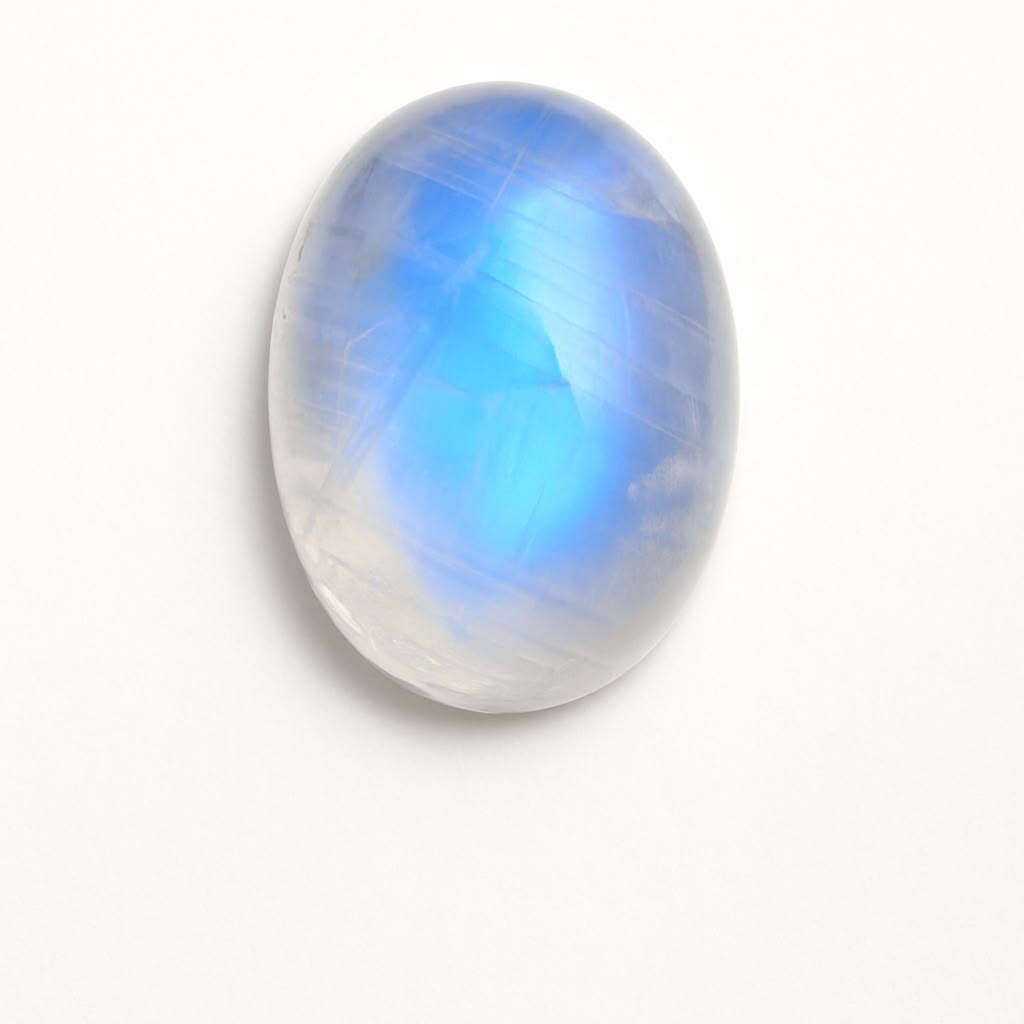
I recall the first time I was given a moonstone and instructed to put it under t...
Discover our handcrafted silver treasures and add something beautiful.
Explore Collections