How to Choose the Right Wholesale Fashion Jewelry Supplier?
Introduction Choosing a jewelry supplier looks easy until you actually start...

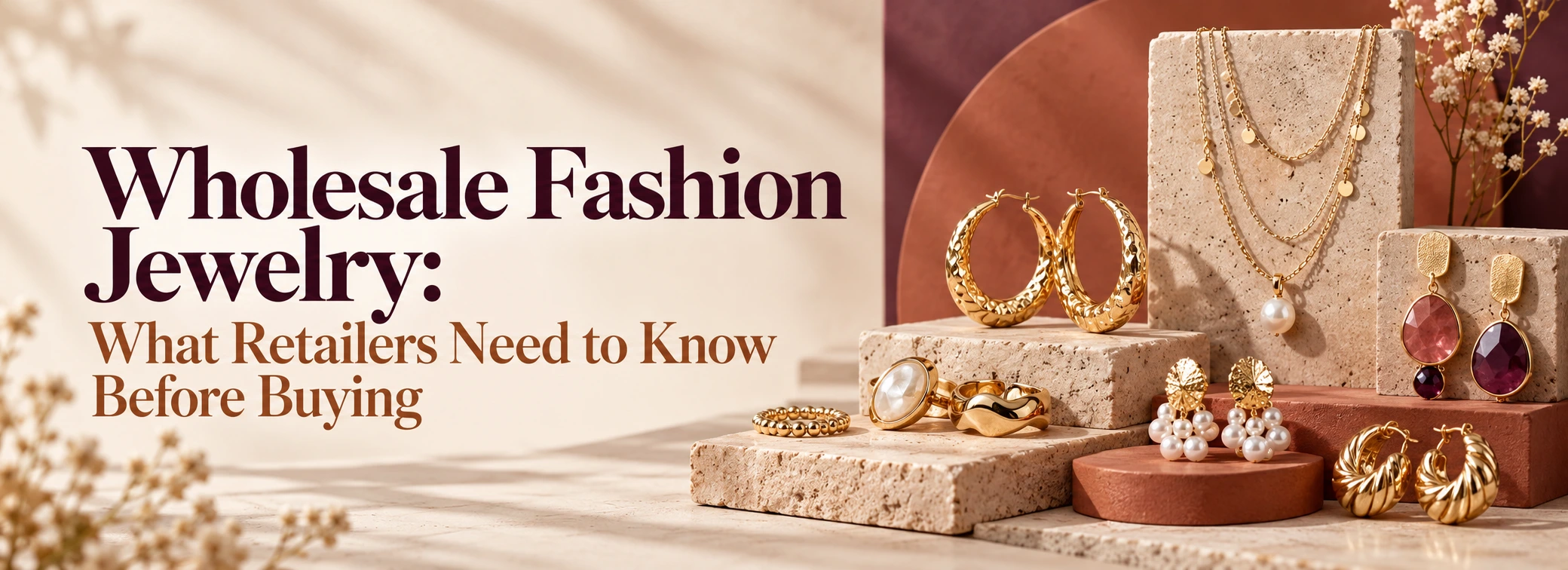
By GR Silver Designs International | 26th October 2026
Buying wholesale fashion jewelry can help retailers expand their product collections, manage purchasing costs, and respond to changing customer preferences. However, choosing the right products requires more than comparing prices. Retailers must evaluate material quality, supplier reliability, minimum order quantities, shipping costs, and potential profit margins before placing an order.
Whether you operate an online jewelry store, a boutique, or a retail business serving international customers, understanding the wholesale purchasing process can help you make better sourcing decisions. From selecting trending designs to evaluating manufacturers, every decision can affect inventory management and customer satisfaction.
This guide explains what retailers should know before buying wholesale fashion jewelry, including how to assess product quality, compare suppliers, calculate costs, and select collections that suit their target markets.
Before purchasing wholesale fashion jewelry, retailers should compare suppliers, inspect product quality, understand minimum order quantities (MOQs), calculate total purchasing costs, and research customer demand. Ordering samples, checking material specifications, and reviewing shipping and return policies can help reduce purchasing risks. A balanced collection of trend-led and timeless designs can also help retailers manage inventory and serve different customer preferences.
Wholesale fashion jewelry refers to decorative accessories purchased from manufacturers, wholesalers, or distributors for resale to individual customers. These products focus on style, design, and affordability, offering retailers a variety of options for different occasions and fashion preferences.
Popular categories include earrings, necklaces, pendants, bracelets, rings, and statement jewelry. Depending on the supplier, collections may feature different metals, plating finishes, decorative stones, beads, and contemporary designs.
Retailers can source products from domestic wholesalers, international manufacturers, trade marketplaces, and specialist jewelry suppliers. Each option has different pricing structures, order requirements, shipping arrangements, and customization possibilities.
The best sourcing approach depends on your business model, budget, product requirements, and target audience.
Wholesale purchasing allows retailers to build product collections while managing their purchasing budgets. When planned carefully, it can support a more consistent product offering and help businesses respond to customer demand.
Working with wholesale fashion jewelry suppliers can provide access to multiple designs and product categories. Retailers can select minimalist necklaces, everyday earrings, statement pieces, and seasonal accessories without sourcing every product separately.
A diverse collection can help attract customers with different styles and budgets.
Wholesale purchasing allows retailers to compare supplier prices and plan retail pricing based on their total costs. Buying larger quantities may reduce the unit price, although discounts and order conditions vary by supplier.
Retailers should also account for shipping, customs duties, packaging, storage, and marketing expenses when evaluating the financial benefits of a purchase.
Fashion preferences change throughout the year. Retailers can introduce new designs, colors, and styles to keep their collections relevant.
However, purchasing decisions should be based on customer preferences and sales data rather than trends alone.
Product selection plays an important role in building a balanced jewelry collection.
Retailers should consider the price range, style preferences, and buying habits of their customers before selecting products. A carefully planned assortment can provide variety without creating unnecessary inventory.
Before placing a wholesale order, evaluate the following factors to determine whether the products meet your business requirements.
Inspect the overall construction, finishing, clasps, closures, stone settings, and edges. Poor craftsmanship may lead to damaged products, customer complaints, and returns.
Whenever possible, request samples before purchasing bulk fashion jewelry. Samples allow you to evaluate the product's appearance, weight, finish, and construction.
For repeat orders, ask how the supplier maintains consistent product quality and handles defective items.
Ask suppliers to provide accurate information about base metals, plating, coatings, stones, and other components.
For example, gold-plated jewelry should not be described as solid gold. Similarly, claims such as nickel-free, hypoallergenic, or sterling silver should be supported by appropriate product specifications or documentation.
Understanding these details helps retailers create accurate product descriptions and set appropriate customer expectations.
Minimum order quantity (MOQ) refers to the smallest number of units a supplier will accept for an order or individual product.
Some wholesale fashion jewelry manufacturers require larger quantities, while others allow smaller orders or a mixture of designs.
Choose an MOQ that fits your available budget, storage capacity, and expected sales. A lower unit price may not be worthwhile if you purchase more inventory than you can realistically sell.
Compare supplier quotations carefully. The lowest advertised wholesale price may not represent the lowest overall cost.
Consider the following expenses:
For international purchases, clarify which party is responsible for customs documentation, import charges, and delivery arrangements.
Calculating the total landed cost helps retailers make more realistic pricing decisions.
Choosing the right supplier is essential for maintaining product consistency and managing inventory efficiently.
Start by reviewing the supplier's catalogue, business information, communication, product specifications, and wholesale policies. Ask about production capacity, stock availability, delivery timelines, and the ability to fulfil repeat orders.
If you need customized products or private-label collections, confirm whether the supplier offers those services and what additional costs or minimum quantities apply.
Retailers sourcing jewelry internationally should also review shipping options, payment terms, return policies, and procedures for handling damaged or incorrect products.
Before committing to a large order, request samples and obtain written confirmation of the product specifications, quantities, pricing, and delivery arrangements.
For a more detailed explanation of supplier evaluation, read our guide: How to Choose the Right Wholesale Fashion Jewelry Supplier.
This related article provides a natural next step for retailers who want to understand how to assess suppliers before establishing a wholesale purchasing relationship.
The right product selection depends on who your customers are, what they prefer, and how they shop.
Consider these factors when planning your collection:
For retailers serving global markets, preferences can differ across countries and customer groups. Product selection should reflect local demand rather than assuming that a single collection will perform equally well everywhere.
Testing smaller quantities before increasing order sizes can help retailers make better inventory decisions.
Retailers can reduce purchasing risks by avoiding several common mistakes.
Careful product evaluation, clear communication, and realistic purchasing forecasts can help retailers establish a more dependable sourcing process.
Buying wholesale fashion jewelry requires a clear understanding of product quality, supplier reliability, purchasing costs, and customer preferences. Retailers who evaluate these factors before placing orders can make better sourcing decisions and manage inventory more effectively.
Rather than choosing products based on price alone, consider the overall value, consistency, and suitability of each collection for your target market. Request samples, compare suppliers, calculate total costs, and use sales data to guide repeat purchases.
With a thoughtful sourcing strategy, retailers can develop a balanced jewelry collection that serves customer needs while supporting sustainable business growth.
Ans: Start by identifying your target customers and budget. Compare suppliers, review material specifications, request product samples, check minimum order quantities, and calculate the total landed cost before placing an order.
Ans: It can be profitable when products meet customer demand and are purchased at suitable prices. Profitability depends on product costs, selling prices, competition, shipping, marketing, returns, and operating expenses.
Ans: You can research manufacturers, specialist wholesalers, trade exhibitions, and established wholesale marketplaces. Evaluate business information, product quality, pricing, communication, and delivery policies before choosing a supplier.
Ans: There is no universal MOQ. Requirements depend on the supplier, product type, customization, and production process. Smaller initial orders may help retailers test demand before committing to larger purchases.
Ans: A combination of both can help create a balanced collection. Trend-led designs may attract customers seeking current styles, while versatile pieces can remain relevant for longer. The ideal mix depends on your audience and sales performance.
Ans: Retailers should review shipping costs, customs duties, import regulations, documentation, delivery timelines, payment terms, and product compliance requirements in their destination market.

Need guidance or a personal consultation? Share your query with our team and we will get back to you with the right advice and support.
Contact Us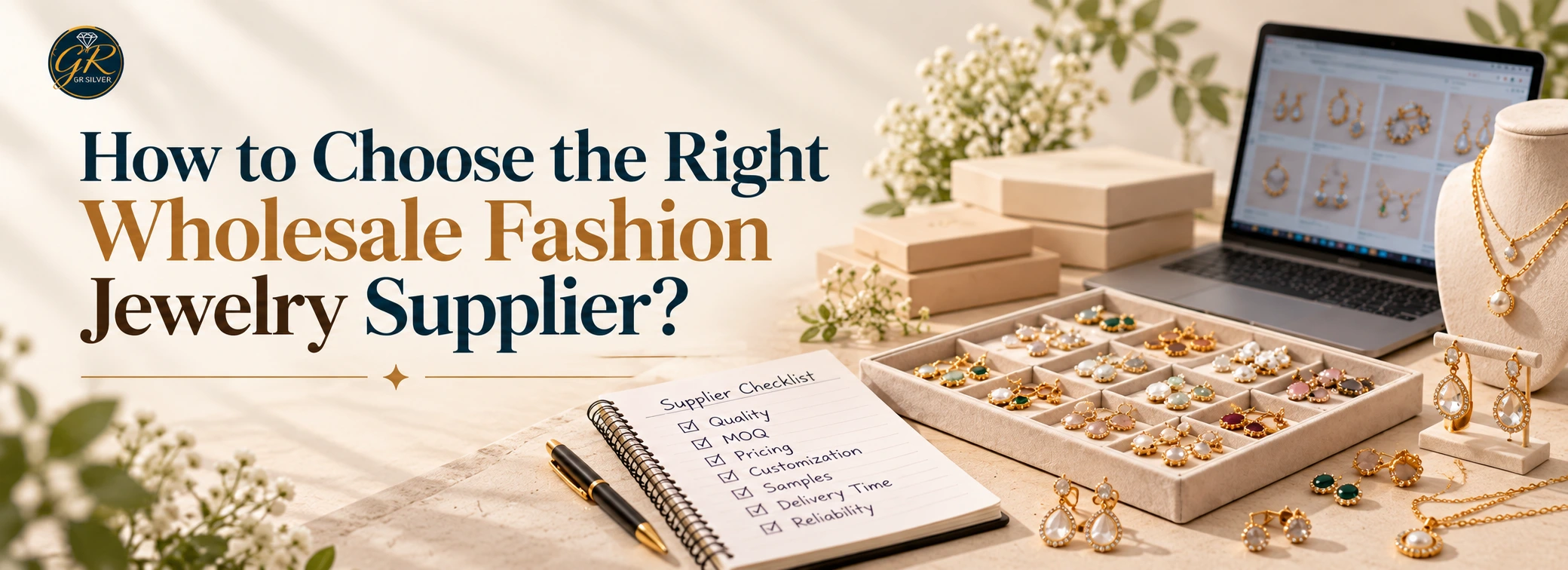
Introduction Choosing a jewelry supplier looks easy until you actually start...
Quick Answer To buy safely from a wholesale 925 sterling silver jewellery man...
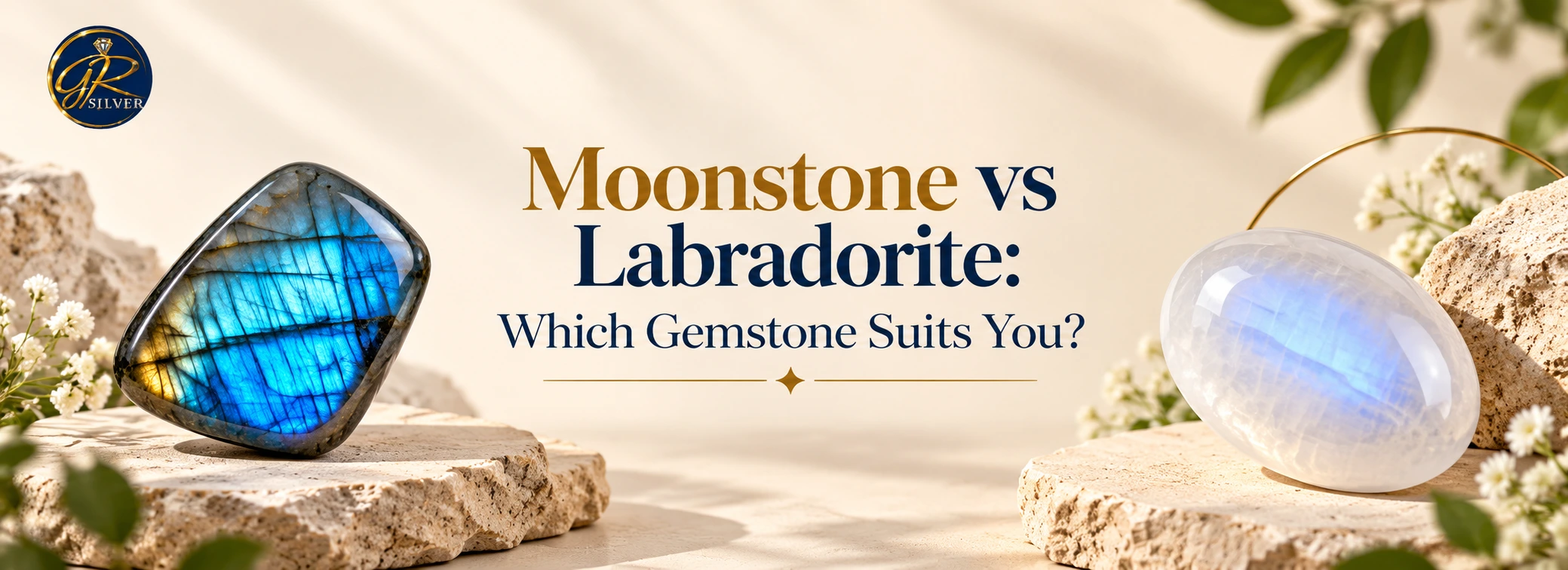
Same family, wildly different personality - that's the short answer to moons...
I recall the first time I was given a moonstone and instructed to put it under t...
Discover our handcrafted silver treasures and add something beautiful.
Explore Collections